
The holidays are full of celebration, special meals, travel, and late nights, and it is completely normal to feel a little off-track afterward. Many people talk about doing a “reset,”. Your body works around the clock through organs like the liver, kidneys, gut, lungs, and skin to process and remove waste. Instead of extreme cleanses, the most effective post-holiday reset comes from rebalancing and returning to simple nutrition habits that help you feel energized again. A post-holiday reset is not about restriction. It is about choosing foods and routines that support digestion, hydration, and natural pathways so you can start the new year feeling refreshed and back in rhythm.

What Do Detox and Cleanse Really Mean?
The terms “detox” and “cleanse” get used a lot, especially after the holidays, but they are often misunderstood. Detox refers to the body’s natural process of filtering and removing waste through organs like the liver, kidneys, gut, lungs, and skin. This system works continuously, not just when you decide to “detox,” and it does not require strict diets or special products to function.
A cleanse is simply a general term people use for short-term routines meant to reset or lighten the digestive load. Many commercial cleanses promote extreme approaches such as juice-only diets or fasting, but these are not necessary and can disrupt energy and mood. A more realistic and sustainable cleanse focuses on whole foods, hydration, fiber, and micronutrients that naturally support the body’s detox pathways rather than trying to override them.

Why Consider a Post-Holiday Reset?
Holiday foods often bring extra sugar and refined carbs, salty snacks, alcohol, and heavier meals. These can leave you feeling bloated, sluggish, or low on energy. A short reset can help your body re-establish healthy rhythms. The goal is simple: reduce intake of foods that are associated with the holidays, increase hydration, and emphasize fiber-rich plants to support digestion and metabolic balance. This shifts the focus to whole-food nourishment rather than quick fixes.
Giving your body space to reset and rebalance often leads to positive changes in appetite, sleep, mood, and overall well-being. Refocusing on micronutrient-rich foods and consistent hydration helps restore healthy rhythms. A post-holiday reset that emphasizes greens and fluids further supports this process by supporting regularity and eating foods to support a balanced diet.
Avoid relying on extreme diets, juice-only cleanses, long fasts, or cutting out entire food groups. These approaches do not speed detox and often leave you feeling low on energy, irritable, and out of balance. Instead, focus on simple, sustainable habits that bring whole foods and greens back into your routine. Leaning into balance rather than restriction helps promote a healthier, more refreshed reset after the holidays.

Incorporating Greens into Your Detox
Leafy and cruciferous greens are some of the most powerful foods you can add during a reset because they deliver vitamin K, folate, magnesium, chlorophyll, and antioxidants that help neutralize free radicals and support liver function. Their fiber content is also important to contribute to your overall dietary fiber intake.
Adding a variety of greens like spinach, kale, arugula, parsley, and broccoli helps maintain micronutrient intake during your reset and anchors your post-holiday rhythm in practical, nutrient-dense choices.
Easy ways to add more greens each day from a food-first approach:

Toss a handful of spinach into smoothies

Add arugula or kale to omelets or wraps

Build salads with mixed leaves and fresh herbs

Stir chopped greens into soups, pastas, and grain bowls

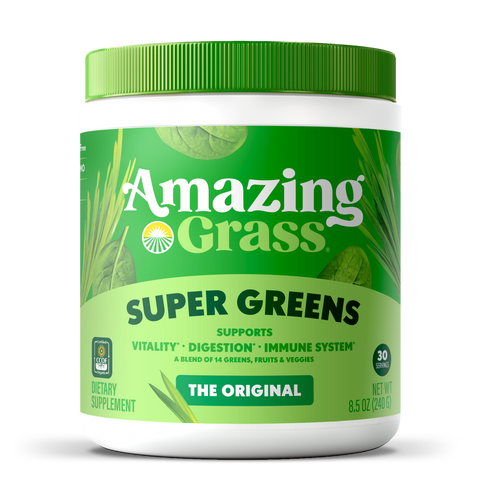
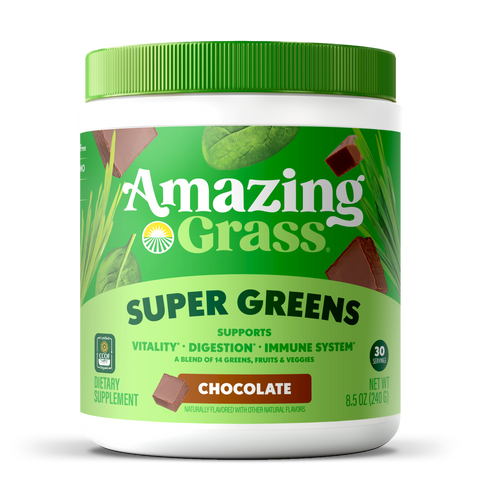
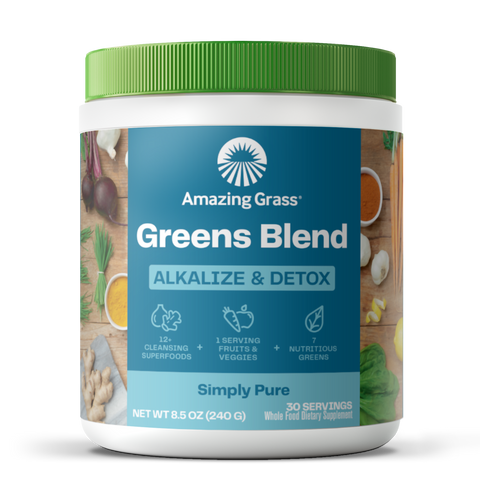
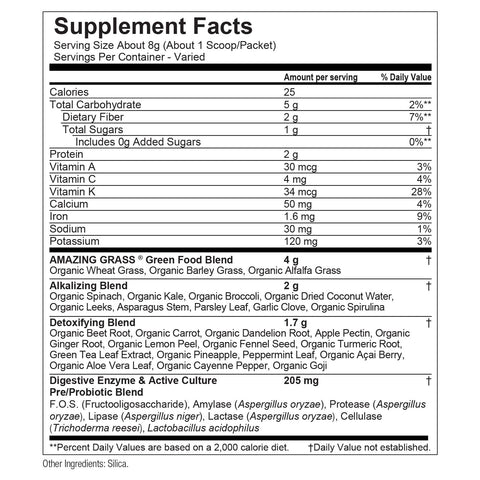
For additional supplement options, you can even add Amazing Grass greens blend into your smoothies

10 Tips for a Successful Post-Holiday Reset
- Build balanced plates. Aim for half your plate to be vegetables and greens, one quarter lean protein, and one quarter high-fiber carbs. This keeps meals satisfying while supporting digestion and steady energy. Try pairing salmon or chicken with roasted broccoli and quinoa for a simple balanced meal.
- Emphasize whole foods. Choose minimally processed foods such as fruits, vegetables, lean proteins, whole grains, nuts, and seeds. These foods provide more nutrients and support a smoother return to routine after holiday indulgences. Build simple meals like veggie omelets, grain bowls, and hearty salads.
- Choose nutrient-dense snacks. Keep whole, nourishing snacks visible and easy to grab. This reduces grazing on leftover sweets or processed foods. Good choices include mixed nuts, fresh fruit, hummus with veggies, or Greek yogurt.
- Focus on antioxidants and superfoods. Antioxidant-rich foods help counteract oxidative stress. Adding colorful fruits and vegetables is one of the easiest ways to incorporate essential vitamins and minerals. Try berries, citrus, leafy greens, herbs, ginger, and turmeric.
- Add more greens. Greens provide chlorophyll, antioxidants, fiber, and essential nutrients. They are an easy way to increase micronutrients and help restore energy. Add spinach to smoothies, toss arugula into omelets, or mix kale into soups and bowls.
- Prioritize lean protein. Adequate protein supports recovery after days of indulgence. Including protein at each meal helps you rebalance your routine. Try eggs, Greek yogurt, chicken, turkey, fish, tofu, or a quality protein shake.
- Support your gut. Include fermented foods for probiotics and plant foods for prebiotic fiber to help restore healthy digestion. Options include Greek yogurt, kefir, sauerkraut, oats, bananas, onions, and asparagus.
- Prioritize hydration. Start your morning with water and keep sipping throughout the day, especially around activity. Add lemon and mint for a refresher.
- Practice mindful eating. Slow down during meals, chew thoroughly, and pause to check in with your fullness. This helps reset appetite cues and prevents overeating. Smaller plates or pre-portioned snacks can also support mindful eating.
- Support rest, movement, and stress balance. Consistent sleep, light daily movement, and simple stress-management practices help your body reset more effectively. These habits support energy, mood, digestion, and the internal detox systems that work behind the scenes all day.
A Simple Takeaway
You do not need an extreme detox after the holidays. Your body already knows how to reset. What helps most is returning to supportive habits: drink water, eat more greens, choose balanced meals, and nourish yourself with whole foods. These small steps work together to refresh your system and help you feel lighter, clearer, and more energized as you start the year. If you focus on balance and consistency rather than restriction, your natural detox system will take care of the rest.