
In today’s fast-paced world, maintaining a healthy immune system is essential for overall health and well-being. Immune-supportive nutrition becomes especially important during seasonal changes, when the body may require additional support to adapt to varying environmental stressors.
While many factors influence immunity, nutrition plays one of the most powerful and immediate roles. Explore how immune support through nutrients and superfoods work together to strengthen your body’s natural defenses and provide guidance on building a varied, nutrient-rich diet that supports a healthy immune system.
Why Nutrition Matters for a Healthy Immune System
Your immune system is a complex network of cells, tissues, and organs that relies on consistent nourishment to function at its best. Balanced nutrition supplies the vitamins, minerals, antioxidants, and macronutrients needed to build immune cells, regulate immune signaling, and maintain overall immune integrity. A diverse, colorful diet is beneficial for overall health.
Because a large portion of the immune system resides in the gut, eating fiber-rich foods such as fruits, vegetables, whole grains, legumes, and fermented foods supports a balanced digestive system, which in turn contributes to overall immune function. No single nutrient can sustain immune health on its own. Instead, the immune system depends on a balanced, harmonious combination of nutrients working together to support multiple biological pathways.
Five Key Nutrients to Help Support a Healthy Immune System
Balanced nutrition provides the essential nutrients your immune system needs. Including a variety of foods from the lists below can help you meet adequate daily intake of six key nutrients linked to immune health.
- Vitamin C. Antioxidant and immune supporting vitamin. Found in citrus fruits, berries, kiwi, tomatoes and leafy greens like spinach, kale and collards.
- Vitamin A. Antioxidant and immune supporting vitamin. Found in citrus fruits, berries, kiwi, tomatoes and leafy greens like spinach, kale and collards.
- Vitamin D. Immune system support.. Sunlight exposure helps the body produce vitamin D, though synthesis varies by geography, season, and skin tone. Food sources include beef liver, cod liver oil, egg yolks, fatty fish such as salmon, tuna, sardines and UV-exposed mushrooms.
- Vitamin E. Antioxidant and immune system support. . Found in plant oils, almonds, hazelnuts, peanuts, walnuts and dark leafy greens.
- Zinc. Immune supporting mineral. t. Found in oysters, seafood, meats, dairy, beans, chickpeas, nuts, seeds and oatmeal.
Superfoods That Support Your Immune System
Superfoods offer concentrated nutrients that complement a balanced diet and contribute additional antioxidant and immune-supportive compounds. Many superfoods naturally pair well with vitamins and minerals known for supporting immunity, helping to enhance overall nutritional quality.
Key Superfoods to Include: (click here to learn about seasonal superfoods)
- Elderberry
- Acerola cherry
- Spirulina
- Chlorella
- Wheat grass
- Turmeric
- Ginger
- Beets
- Matcha
- Acai Berry
Did you know? Matcha can offer up to 10x the antioxidant content than regular green tea.
These superfoods contribute plant compounds such as polyphenols, chlorophyll, phycocyanins and curcuminoids, along with naturally occurring antioxidants.
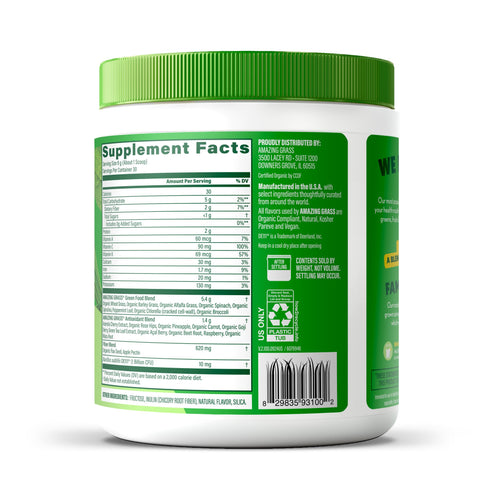
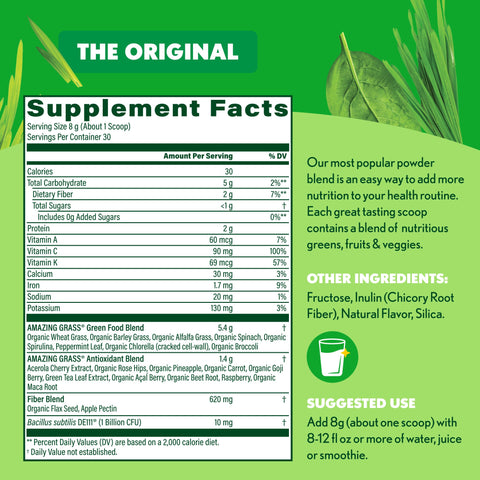
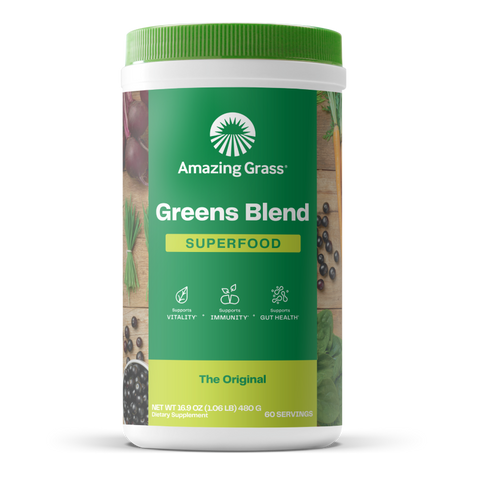
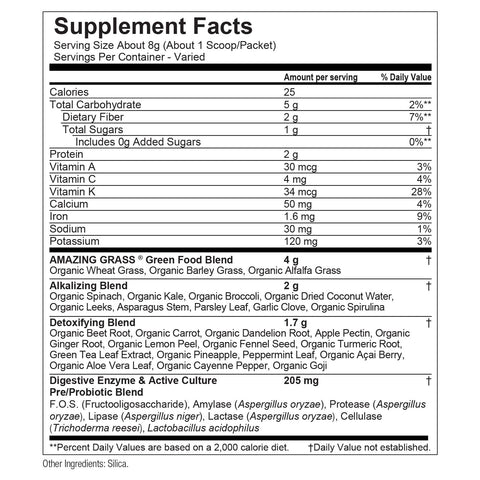
Accessible superfood blends make it easier to enjoy these ingredients daily. Options that feature plant-based nutrients, probiotics or adaptogenic botanicals can help round out your routine without added complexity.. Amazing Grass Greens Blend feature ingredients making it simple to add immune system-supportive superfoods to your daily routine.
Simple ways to incorporate superfoods:
- Top yogurt with berries
- Blend leafy greens into smoothies
- Mix matcha into lattes or baked goods
- Combine citrus into water or tea
- Add chia to salads or yogurt
- Add supergreens powder post-workout
- Mix greens powders into water or smoothies
The Nutritional Powerhouse of Beets
Beets offer a wide range of immune-supportive nutrients that blend seamlessly into a balanced diet. They provide folate for cellular repair, vitamin C to aid immune cell function, potassium for electrolyte balance and manganese to support antioxidant enzymes. They are also rich in antioxidants, particularly betalains, which help combat oxidative stress that may weaken immune response. By neutralizing free radicals, these compounds help protect immune cells and support resilience throughout seasonal changes.
Lifestyle Tips for Enhanced Immune Support
Although nutrition forms the core of a strong immune foundation, other lifestyle habits also influence immune resilience. Sleep, hydration, stress management and regular physical activity help the immune system function efficiently and complement the benefits of a nutrient-rich diet. (Click here to learn more about how stress can affect your immune system health). Combining these habits with consistent intake of immune-supportive nutrients and superfoods can help create a balanced, well-rounded approach to everyday wellness.
Summary
A healthy immune system begins with balanced, diverse nutrition. Superfoods, beets and five key nutrients including vitamins A, C, D, E, and zinc play vital roles in supporting immune cell function, antioxidant defense and overall immune health. While lifestyle factors such as sleep, hydration, stress management and physical activity also contribute to your body’s resilience, nutrition remains one of the most accessible and effective ways to support long-term well-being.